网易云在日本怎么听歌?海外党亲测有效的回国加速方案(附探花/交通卡定位解决)

If you’re a Chinese student or worker in Japan, you’ve probably had this frustrating moment: opening NetEase Cloud Music to play your favorite playlist, only to see grayed-out songs with the message “This content is not available in your region.” Or worse, the app buffers so much you can’t finish a single track. Why does this happen? Most Chinese music platforms like NetEase Cloud have copyright agreements limiting content to users within China—your Japanese IP gives you away, blocking access. But don’t worry: this article will not only show you how to fix NetEase Cloud in Japan but also solve two other common headaches for overseas Chinese: what to do when 探花在老挝用不了怎么办, and how to change your location to China for the national transport card when you’re in Australia. The solution? A reliable回国加速器 called 番茄加速器, which I’ve used for months with consistent results.
Why Can’t You Listen to NetEase Cloud in Japan?
Geo-restrictions are the main culprit. Music labels often license content to platforms for specific regions only, so NetEase Cloud has to block users outside China to comply. Your IP address is the key identifier—if it’s from Japan, the platform knows to restrict access. Even if you try to use a free VPN, you might face slow speeds, frequent disconnections, or even get blocked by the platform itself. That’s where a dedicated回国加速器 like 番茄 comes in.
How to Fix NetEase Cloud in Japan with 番茄 Accelerator
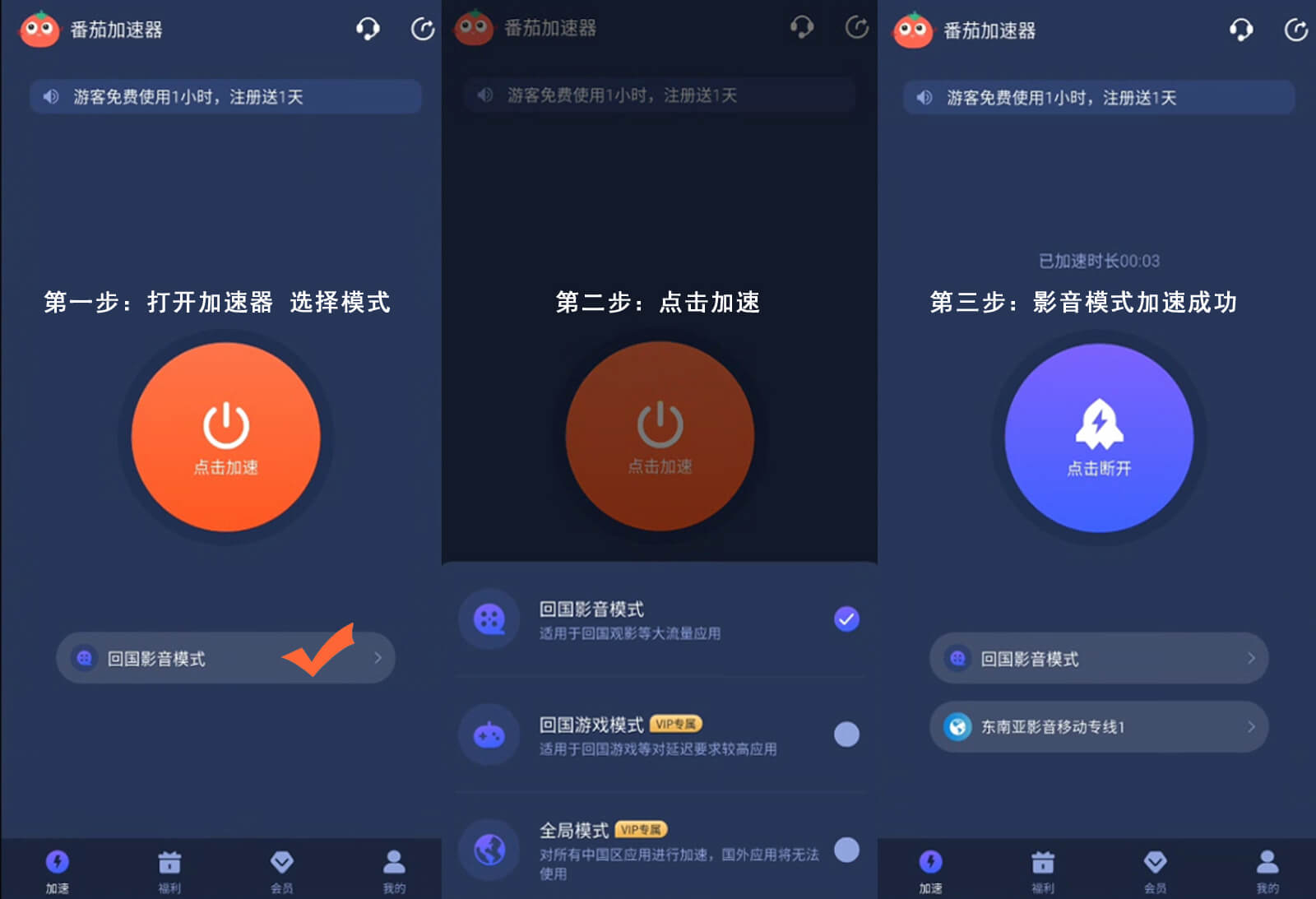
Using 番茄 to unblock NetEase Cloud is straightforward. First, download the app— it supports Android, iOS, Windows, and Mac, so no matter what device you’re using, you’re covered. I use it on my iPhone, MacBook, and Android tablet all at the same time (yes, one account works for multiple devices—perfect for switching between study and leisure). Once installed, sign up with your email or phone number, then grant the necessary VPN permissions. The app will automatically recommend the optimal line from its global node distribution—no need to guess which node is fastest. When I was in Tokyo, it picked a Shanghai node that gave me a stable connection in seconds.
After connecting, open NetEase Cloud Music again. Suddenly, all those grayed-out songs are playable, and buffering is a thing of the past. 番茄 offers stable unlimited traffic, so I can listen all day without worrying about data caps. It also has dedicated lines for audio and video streaming, so even high-quality lossless music plays smoothly. With 100M exclusive bandwidth, I never experience lag—even during peak hours when everyone else is streaming.
探花在老挝用不了怎么办?
A friend of mine working in Vientiane told me he couldn’t access 探花—every time he opened it, it either crashed or showed “service unavailable.” The fix is similar to NetEase Cloud: use 番茄 to connect to a Chinese node. 探花, like many Chinese apps, checks your IP to ensure you’re in China. With 番茄, his Laos IP is masked, so the app thinks he’s back home. He told me the connection was stable even in Laos, where internet can be spotty. And since 番茄 allows multi-device use, he could use it on his phone and laptop without any issues.
在澳大利亚用全国交通一卡通怎么把定位修改到中国国内?
Last month, I was in Sydney visiting family and needed to recharge my Beijing transport card. The app kept saying “location not supported” until I connected to 番茄. The national transport card app requires your location to be in China to function—like recharging or checking balance. 番茄’s smart分流 feature ensures only the transport card app is routed through the Chinese node, so other apps like Google Maps still work with my local Australian IP. After connecting, the recharge went through in seconds—no more waiting until I’m back in China to manage my card.
Why Choose 番茄 Accelerator Over Others?
I’ve tried a few accelerators before, but 番茄 stands out for several reasons. First, its global node distribution means no matter where I am (Japan, Laos, Australia), I can find a fast line. The smart line recommendation saves time—no testing each node myself. Second, multi-platform support is a game-changer for someone who uses multiple devices. Third, stable unlimited traffic means I never have to cut a listening session short. Fourth, data security is a priority: 番茄 uses encryption and dedicated transmission lines, so my personal data (like transport card payment info) is safe. Finally, their after-sales support is top-notch—once I had a problem connecting to a Guangzhou node, and their technical team responded within 10 minutes to fix it.
Going back to the original question: 网易云在日本怎么听歌? The answer is simple—use 番茄 accelerator. But it’s not just for music: it solves 探花 in Laos and transport card location issues in Australia too. Whether you’re a student missing your favorite playlists, a worker needing to use Chinese apps abroad, or a traveler managing home services, 番茄 is a reliable tool to stay connected to China. Give it a try—you won’t be disappointed.